Should You Trust Finfluencers? A Critical Look at Social Media Stock Tips
Some financial influencers genuinely educate. Others push risky trades and hidden ads. Here's how to tell which is which.
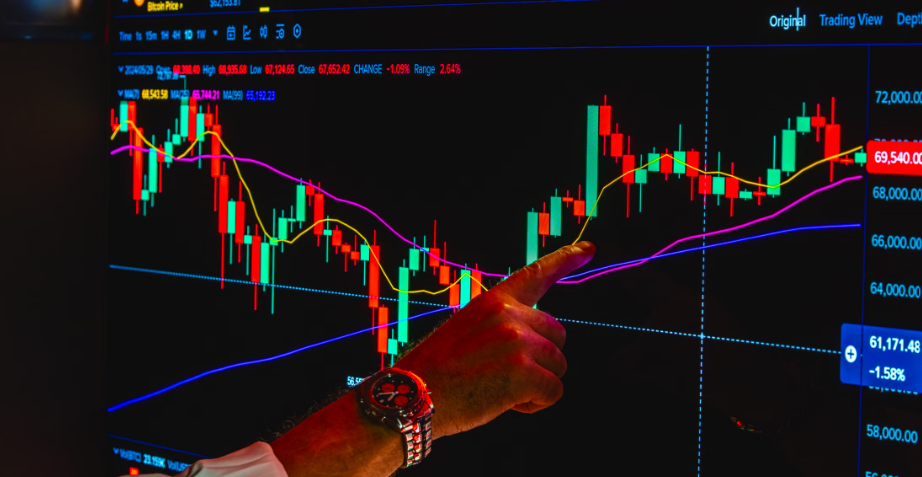
The short version: some financial influencers share genuinely useful, well-researched information. Others push risky trades, hidden sponsorships, or outright bad advice, dressed up as insight. Here’s how to tell the difference, and why SEBI has started cracking down.
Why finfluencers took off
Short videos are easy to consume, and financial topics that once felt intimidating suddenly seem approachable. That’s genuinely valuable for beginners who’d otherwise never engage with investing basics at all.
The problem is scale. Anyone can start a channel, regardless of qualifications. A confident delivery style can look identical whether the underlying advice is sound or reckless.
What SEBI has done about it
SEBI has tightened rules around who can call themselves a registered investment adviser, and how influencers can promote unregistered advice. Some regulated entities are now barred from associating with unregistered finfluencers entirely.
This matters because registered advisers have accountability. They’re bound by disclosure and suitability rules. Most finfluencers on social media have none of that oversight.
Red flags worth watching for
Guaranteed returns are the clearest warning sign. No legitimate investment can promise a fixed, high return with no risk. If you see that claim, treat it as disqualifying on its own.
Urgency is another red flag. Phrases like “buy before Monday” or “this stock is about to explode” are designed to short-circuit your judgment, not inform it. Real research rarely needs artificial time pressure.
Undisclosed sponsorships are common too. A stock “recommendation” that’s actually a paid promotion, without clear disclosure, is a serious conflict of interest — and increasingly, a regulatory violation.
How to actually use financial content well
Treat influencer content as a starting point for your own research, not a final answer. Cross-check any specific claim against a company’s actual filings, or a source with real accountability.
Favour creators who explain their reasoning, disclose their own positions, and talk about risk as often as reward. That mix is a reasonably good signal of genuine effort, even if it’s not a perfect guarantee.
The bottom line
Financial content on social media isn’t inherently bad. Some of it is excellent education. But treating any single creator’s stock tip as reliable, actionable advice is a mistake — verify independently, and be especially wary of urgency and guaranteed returns.
| Warning sign | Why it matters |
|---|---|
| “Guaranteed” returns | No legitimate investment can promise this |
| Urgency language | Designed to bypass careful thinking |
| Undisclosed sponsorship | Hidden conflict of interest |
| No SEBI registration disclosed | No regulatory accountability |
| Focus only on upside, never risk | Incomplete, one-sided picture |
Related reading
- How to Choose the Right Investment App in India
- How to Spot a Fake Investment App or Trading Scam in India
Frequently asked questions
Are all financial influencers giving bad advice?
No — many share genuinely useful, well-researched education, but the format makes it hard to distinguish good advice from bad without independent verification.
What has SEBI done about finfluencers specifically?
SEBI has tightened rules on unregistered investment advice and restricted regulated entities from associating with unregistered finfluencers promoting specific trades.
What’s the clearest warning sign of a bad finfluencer?
A guarantee of fixed, high returns with no risk is the clearest red flag — no legitimate investment can honestly promise that.
How can I verify if someone is a registered investment adviser?
SEBI maintains a public list of registered investment advisers on its website, which you can check before acting on paid financial advice.
Should I stop watching financial content on social media?
Not necessarily, but treat it as a starting point for your own research rather than a final, actionable recommendation.